Last year, at our headquarters in Lucca, some students and I had a
tasting of 7 different qualities of ceremonial matcha teas. The teas came from some of the most
famous Japanese brands, which also supply the three great Japanese Tea
Ceremony schools: Urasenke, Omotesenke, Mushanokojisenke.
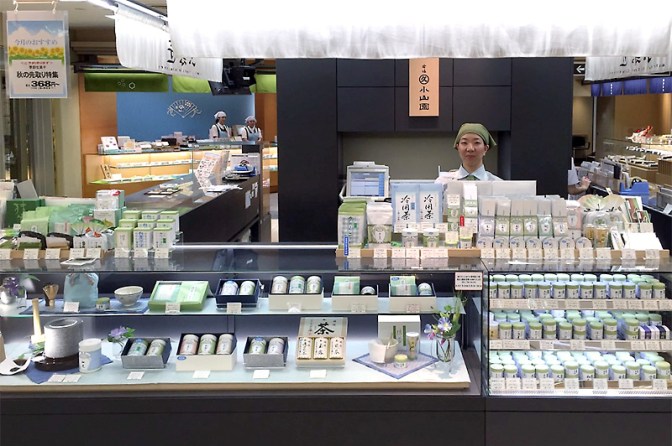
in the big Takashimaya shopping mall
Hekisuien
This famous company from Uji was founded in 1867 by Kihei Horii and use sits own tea as raw material, which is called “Uji Tengu Tea”. The Tengu is a red Japanese mythological monster with a long nose which represents presumption, but in this case the name indicates a sort of unpretentiousness and at the same time a warning. It means “An unpretentious Uji tea” or “Let’s not be presumptuous”.
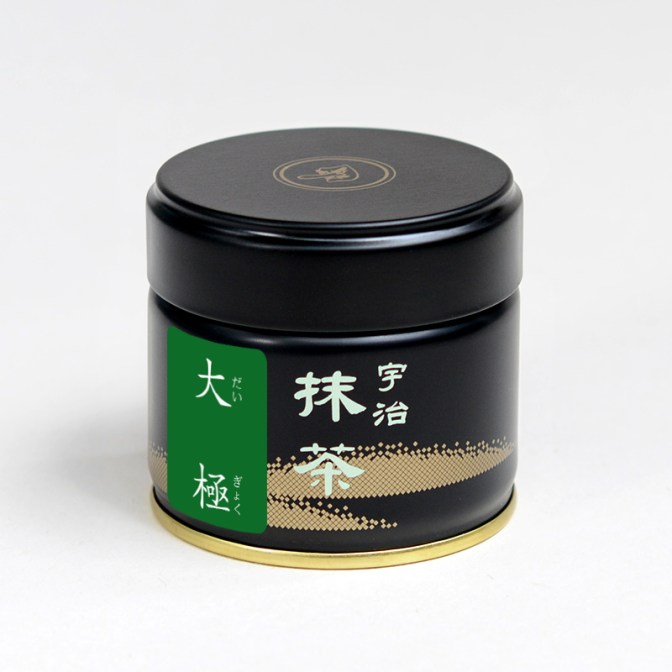
It’s quite easy to prepare because, even in case of mistakes, it never gets bitter. It has a sweet and vanilla scent, a good creaminess and a fresh and floral taste with a little sourness. Excellent high quality matcha for everyday use or for more “informal” tea ceremonies.
Horii Shichimeien: Seishin no Shiro
This company is from Uji and dates back to very ancient times. It has always had its own plantation (whose name is now Okunoyama) which became, in 1570, one of the seven famous gardens called “Uji Shichimeien” and it’s the only one left today. The single cultivar Narino matcha is one of its historic and greatest products. The third owner was the first to decide to mechanize the tencha milling and succeeded in his attempt in 1924 with a method he called “Horii Tencha Machining”. Since then all the companies have imitated him by mechanizing the grinding process.
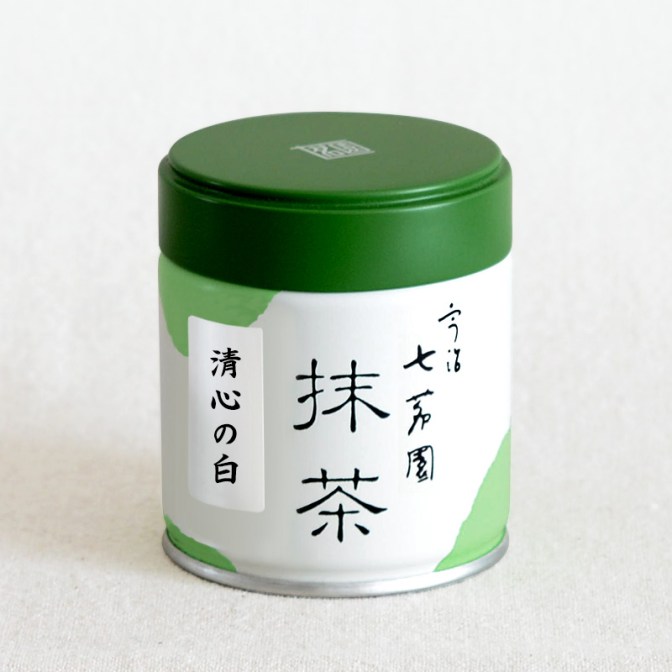
It is a very intense matcha, not suitable for beginners. It has a strong green color with a vegetal flavor and hints of fresh green leaves. A slightly sweet tea with a strong taste. Suitable for usucha tea ceremony. I usually love matchas with a good character and not very sweet, but this one wasn’t as creamy as I like.
Horii Shichimeien: Ōbuku no Mukashi
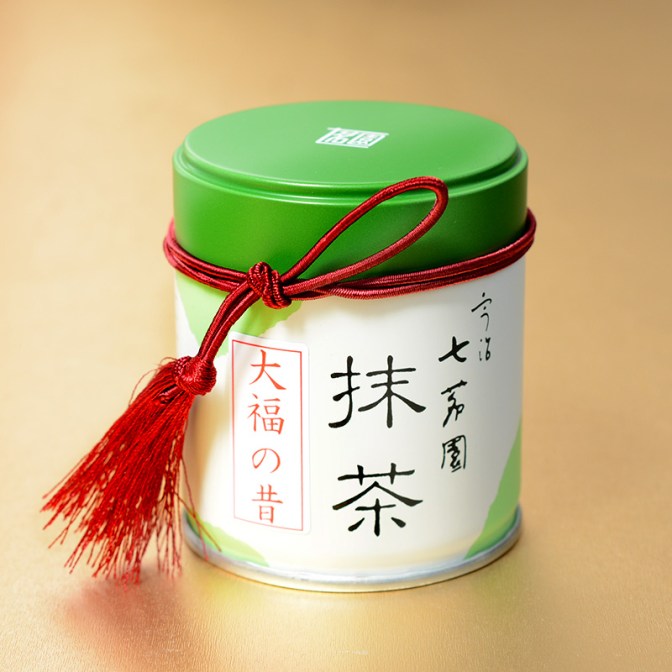
It is a seasonal matcha the company produces and sells in the month of December so that it can be used in the New Year holidays. Even the packaging is particular: it is tied with a red ribbon and a tassel to look like a festive decor. It is described as an extraordinary matcha of unique quality, but I do disagree. I didn’t like it at all: it has a light body, so it’s too light and not very suitable for preparation in the tea ceremony, nor for usucha neither for koicha. It also has sour and astringent notes.
Yamamasa Koyamaen: Samidori

This company was born in 1600 and has always been very attentive to the quality of its blends to give the best possible balance to its products. Here is a quote from their website:
” No doubt the passion and inquisitive mind of each craftsman quietly dominates in our tea production. The tea produced by Yamamasa Koyamaen is a tangible expression of our hopes and wishes”.
The taste and scent of this tea is really fresh and reminds Spring flavors. It is a little astringent, but very creamy: creaminess is the dominating quality in this tea. Not a high-class tea but still very pleasant.
Marukyu Koyamaen: Shohaku

This company, one of the most famous in the world for ceremonial teas, took its roots in Uji in 1704 by Kyujiro Koyama. Since then it has had its own plantations. In the meantime it has become mechanized, but left many of the traditional techniques. Its quality is proven by winning the first prize in the Japanese national tea competition 22 times: it won the first prize in the Kansai national tea competition 9 times and the first prize in the Japanese national tea tasting competition 2 times. Householders from many of Japan’s leading Tea Ceremony schools have chosen these teas as their favorites. This tea has became famous for being the konomi (favourite) of the great Master of Tea Ceremony Daisosho Hounsai, the fifteenth head of the Urasenke family. It is a fresh and very intense usucha tea, with a sweet aftertaste and a remarkable creaminess. Nowadays it is one of the main teas used to make usucha in Urasenke Schools around the world.
Marukyu Koyamaen: Kinrin
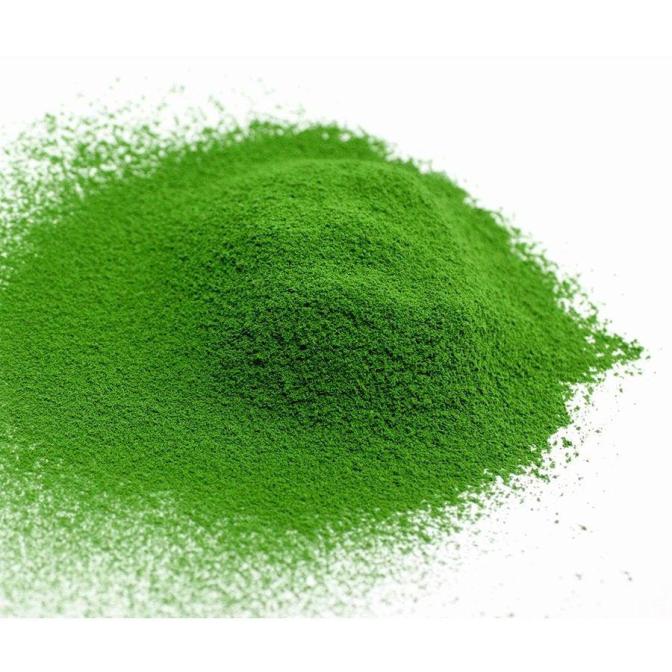
It is a very high quality matcha for usucha; it can also be
used for koicha, but not for demanding amateurs. When prepared koicha style, it tends to be a little sour, but it’s still very pleasant and well balanced. When prepared
usucha style, instead, it is incredibly fresh and creamy. For
koicha style, use water at 80°C. When usucha style,
80°/90° C is fine.
Marukyu Koyamaen: Unkaku
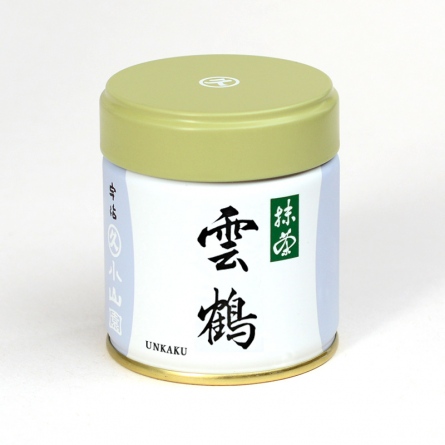
That’s a matcha for koicha: when prepared like that, it’s the king of matchas and reigns on anyone else, Kinrin included. It has a velvety texture and a strong taste: umami and vegetable, with a sweet end. Anyway, it’s a basic product among the great koicha cerimonial matchas cerimoniali from Marukyu Koyamaen company.
The world of tea is infinitely variable both for ceremonial matchas and leaf teas. For a beginner it’s very important to remember that, in case of matcha teas, quality is everything, even more than for all other types of tea. The normal matcha you find in small Italian tea shops, herbal shops and on Amazon, even when called “ceremonial”, is mostly of a culinary or premium grade (and therefore unsuitable for a ceremony or a tasting). If you want to buy it, trust one of the companies I have listed (although there are some other very valid ones, such as Ippodo, Hokoen, Hoshino Seichaen and the modern and less prestigious Maiko no Cha), internet sites selling only matcha teas and the Tea Ceremony Schools
Happy matcha everyone!

 The art of tea blog / Blog l'arte del tè