At the base of the tea ceremony since very ancient times there have always been two essential concepts:
- Harmony between Man and Nature
- Spiritual interconnection between People and Objects
These concepts have developed over time and the influence given by the succession of various religions that have enriched them both from a technical and a spiritual point of view.
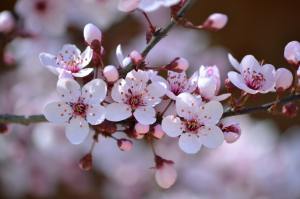
Today, there are two cornerstones of the Tea Ceremony left in all Asian cultures and we can say that, never as now, it is important to be able to remain united with Nature without experiencing it as something external and almost a bit “threatening”.
Most people live hectic lives in big cities and have neither the opportunity or the time to realize the changes happening around them. They do not realize when fruit trees lay their first buds, when birds lay their eggs, which vegetables are eaten in summer and which are eaten in winter …
It has become normal to have exotic fruit and summer fruit available even in winter thanks to the importation and fresh flowers in every season, thanks to forcing and heated greenhouses.


In the process of the search for Harmony between Man and Nature, within the study of the tea ceremony, therefore, a very strong attention to the seasonality of flowers, animals, food, objects, materials, festivals cannot be missing.
When I started studying the tea ceremony, one of the things that surprised me the most was the extreme attention given to seasonality: it wasn’t just a matter of using a tall, narrow cup in winter to keep the heat and a cup low and large in summer to disperse heat, but it is rather an almost “maniacal” attention also to the drawings of the tools which, according to the type of flower or symbol, are used for only fifteen or a maximum of thirty days a year.
In this search for seasonality the Omotesenke school is usually much more attentive to detail, while the Urasenke school is faithful to seasonality in floral compositions and sweets, but more liberal as regards objects, making almost only distinctions between summer and winter objects.

with the tabidansu tea shelf and the ro.
The “extreme” search for seasonality is quite complicated for novice Omotesenke students and is very interesting for Urasenke students who may not be aware of all the nuances given to the details of the seasonality of each month, so I decided to leave early. with a monthly column dedicated to this topic.
See you soon, then!

 The art of tea blog / Blog l'arte del tè